 Under Pennsylvania Law, tenants are required to remove all of their personal property from the leased premises when they relinquish possession. However, there are times when a tenant fails to remove all their personal property, and landlords are left in the dark & wondering where they stand.
If a tenant leaves or abandons their personal property at the leased premises at the time they vacate or relinquish possession, under Pennsylvania Law a landlord must provide the tenant with a ten day written notice to retrieve their personal property. This notice may be served by regular mail to the tenant’s new address, if known, otherwise to the vacated premises; or by personal service.
 If the tenant does not notify the landlord within ten days of their intent to remove the personal property, the landlord has the right to dispose of the personal property. If the tenant notifies the landlord of their intention to collect the personal property, the landlord is required to retain or safeguard the personal property for thirty days. During the thirty day period, the landlord may store the personal property within reasonable proximity to the leased premises and must exercise “ordinary care” to safeguard or protect the personal property. If the tenant does not retrieve the personal property within the thirty day period, then the landlord may dispose of the personal property.
If a landlord desires to sell the personal property after the requisite ten or thirty day period, the landlord may only keep enough of the proceeds to cover any outstanding obligations, including the costs to store the personal property and/or any judgments obtained for damages against the tenant.  Any excess proceeds obtained from the sale of the personal property must be returned to the tenant. In the event that the tenant failed to provide a forwarding address to the landlord, then the landlord must hold the proceeds for an additional thirty days. Upon expiration of this thirty day period, the landlord may keep the proceeds.
Colby S. Grim is a member of the Real Estate Department at Grim, Biehn & Thatcher with experience in all areas of real estate law such as landlord/tenant, sales, acquisitions, and leases. Contact Attorney Grim today for help navigating all of your real estate needs.
 better place to spend a Wednesday evening than in beautiful Upper Bucks County!


 When buying a new home, there are certain contingencies (aside from a mortgage contingency) that you should consider including in the agreement of sale.
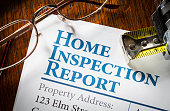 In it you should include a home property inspection that includes environmental hazards such as mold, asbestos and underground storage tanks. The purpose of the home inspection is to investigate the structure, building materials, plumbing, heating and cooling systems as well as the overall condition of the house. You should also include a wood infestation inspection to discover any active or past infestation of wood destroying pests and/or any resultant damage. Also, make sure you include a radon contingency to determine if there is any exposure to radon gas.
 If the property is serviced by an on-lot well and/or an on-lot sewage disposal system, make sure you include the contingencies for each. A property boundary contingency will also help you locate the boundary lines and any encroachments but may be expensive. Consider such a contingency if you are buying a lot that has not been recently subdivided. Finally, provide ample time to have the inspections performed and reports issued as a contingency may be waived if the inspection and report are not completed within the agreement’s contingency period.
 Ensuring that a disabled child or loved one is provided for after you are gone is imperative. Unfortunately, having cash or cash equivalents available can disqualify a person with disabilities from certain governmental benefits, including Medical Assistance and Medicaid, so strictly saving cash for your disabled loved one’s future needs may not be the best way to ensure that they are provided for after you are gone. Fortunately, there is a way to provide for a disabled person’s well-being without disqualifying him or her from governmental benefits. Establishing a Special Needs Trust is exactly one way to accomplish this goal.


 Businesses that are authorized to do business in Pennsylvania, and which are subject to certain Pennsylvania taxes, are eligible to receive tax credits under the Educational Improvement Tax Credit program (EITC) and the Opportunity Scholarship Tax Credit program (OSTC) for contributions of cash, personal property or services to scholarship programs, educational improvement organizations, pre-kindergarten scholarship organizations or opportunity scholarship organizations approved by the Pennsylvania Department of Community & Economic Development.